
Why Your Air Conditioner Is Lying to You (And What It’s Really Trying to Say)
Most people think air conditioners are simple machines.
You turn them on. Cold air comes out. End of story.
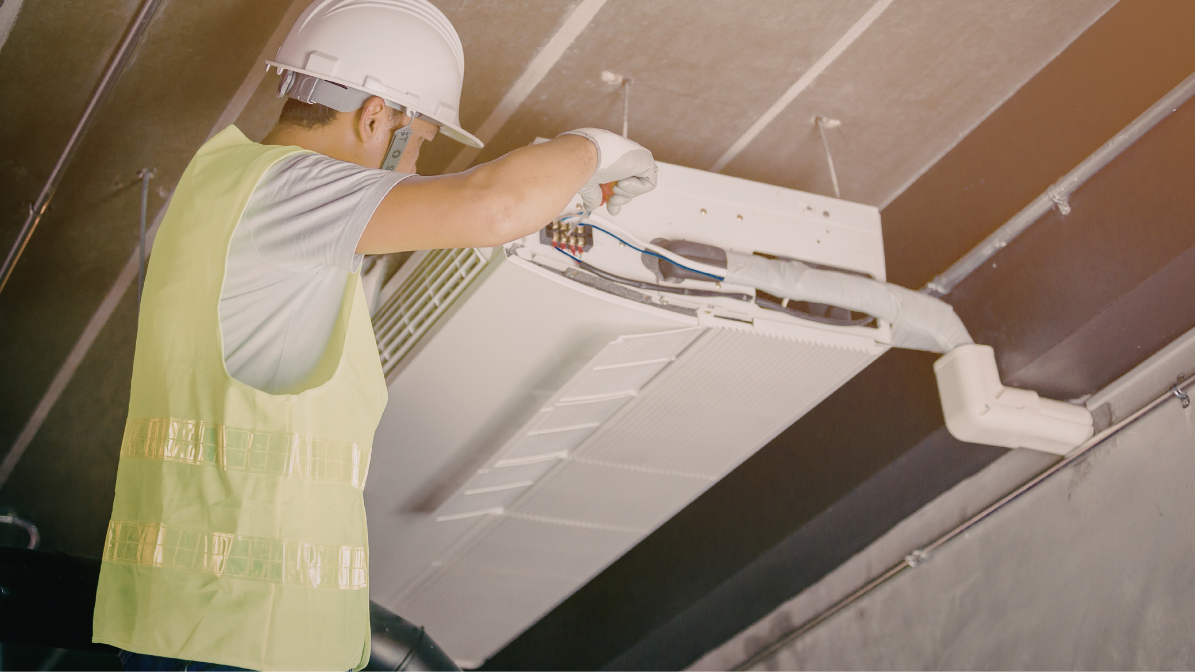 But if you’ve ever lived through a hot summer, you already know the truth:
your air conditioner is constantly communicating with you — just not in words.
Strange noises, weak cooling, water leaks, sudden shutdowns…
These aren’t random problems.
They’re messages.
Let’s decode what your AC is really trying to tell you.
1. When Your AC Is Running… But the Room Isn’t Cooling
This is one of the most frustrating situations.
The unit is on. The fan is working. Electricity is flowing.
Yet the room still feels uncomfortable.
Most people assume: “It just needs more gas.”
Sometimes that’s true.
But often, the real issue is airflow.
Dirty filters, blocked coils, or poor ventilation force your AC to work harder while delivering less cooling. Over time, this silent struggle increases electricity consumption and shortens the unit’s lifespan.
Translation:
“I’m tired. I can’t breathe properly. Help me before I burn out.”
2. The Noises You Should Never Ignore
Every AC makes some noise. That’s normal.
But certain sounds are red flags.
Buzzing: electrical issues or loose wiring
Grinding: motor or bearing problems
Clicking repeatedly: thermostat or control board issues
Rattling: loose internal parts
These sounds don’t appear suddenly without reason.
They’re warnings — early ones.
Translation:
“Something is loose or failing. Fix it now, not later.”
Ignoring these noises is like driving a car with the check engine light on and hoping for the best.
3. Water Leaking Isn’t Just a Mess — It’s a Symptom
Water dripping from an New Cairo AC Experts unit is never “just humidity.”
It usually means:
A blocked drainage line
Poor installation slope
Frozen coils melting unevenly
Left untreated, water leaks can damage walls, ceilings, and even electrical components.
Translation:
“I can’t get rid of moisture properly, and it’s starting to hurt both of us.”
4. When Your AC Turns Off by Itself
Sudden shutdowns feel random, but they’re usually protective reactions.
Common causes include:
Overheating compressors
Faulty sensors
Electrical overload
Your AC isn’t being dramatic.
It’s preventing catastrophic failure.
Translation:
“If I keep running like this, I’ll break completely.”
5. Bad Smells Are Never a Coincidence
A healthy AC should never smell bad.
Musty smell: mold or bacteria inside
Burning smell: electrical or motor problems
Chemical smell: refrigerant leaks
Smells don’t just affect comfort — they affect air quality and health.
Translation:
“What I’m circulating isn’t clean air anymore.”
6. Why Small Problems Become Expensive Ones
Air conditioners rarely fail suddenly.
They fail gradually.
A dirty filter leads to poor airflow.
Poor airflow stresses the compressor.
A stressed compressor consumes more power.
Higher power leads to overheating.
Overheating leads to failure.
What could have been a simple maintenance visit turns into a major repair — or replacement.
Translation:
“I warned you early. You just didn’t listen.”
7. The Secret Most People Miss About AC Maintenance
Maintenance isn’t about fixing problems.
It’s about preventing conversations from becoming arguments.
A well-maintained AC:
Uses less electricity
Cools faster
Lasts longer
Breaks less often
And most importantly — it stays quiet.
Silence is a sign of health.
Final Thought: Listen Before It’s Too Late
Your air conditioner doesn’t suddenly betray you in the middle of summer.
It tries to talk to you long before that.
Noise, water, smells, weak cooling —
they’re not inconveniences.
They’re signals.
If you listen early, your AC rewards you with comfort, efficiency, and reliability.
If you ignore it, it waits… and chooses the hottest day of the year to give up.
 And by then, it’s no longer a conversation.
It’s a breakdown.