
Neurolenses Review: the brand Multifocal Progressive Glasses After 90 Days
Neurolenses Review: the brand Multifocal Progressive Glasses After 90 Days
I’ve been using the brand neurolenses for three months now, and I’m here to give you a day-by-day rundown of what worked, what surprised me, and whether these glasses are actually worth your money.
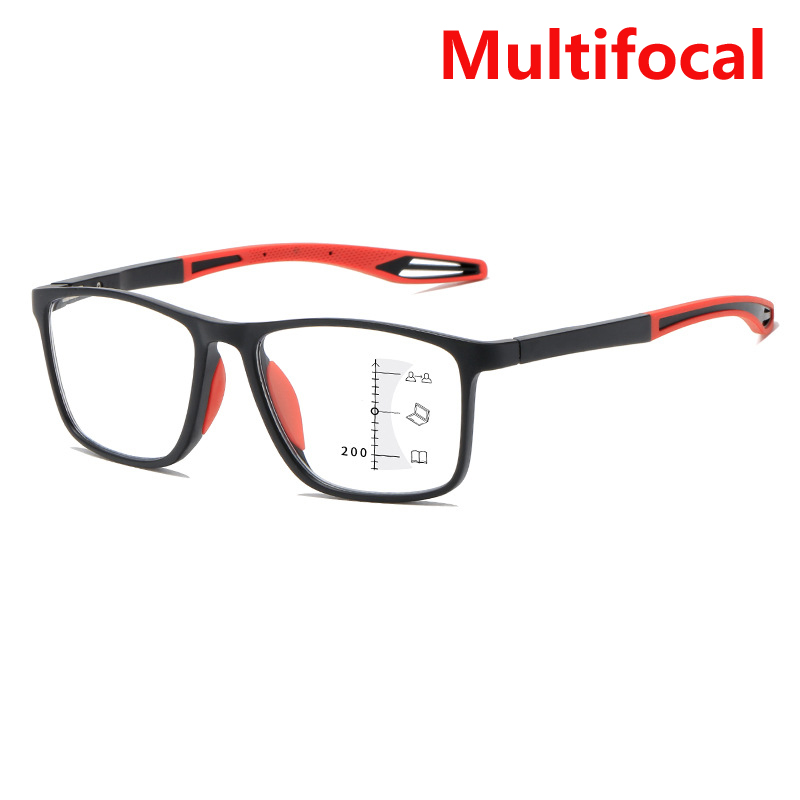
Before buying them, I was pretty skeptical. Cheap multifocal glasses from an online store? That sounded risky. But I needed something that worked for both reading and distance vision without having to carry two pairs everywhere. So I gave the brand Flexible Multifocal Progressive Reading Glasses a shot.
Here’s what you need to know right off the bat:
- They handle near and far vision in a single lens
- The sporty frame is flexible and lightweight
- They’re budget-friendly, but there are trade-offs
Day 1: First Impressions
The package arrived in a simple box. Inside, I found the glasses, a soft cloth pouch, and a cleaning cloth. No hard case—that was my first small disappointment.
I chose the black-red color. They look sporty, not like old-man reading glasses. The frame feels light, and when I gently bent the arms, they flexed without cracking. A good sign.
When I put them on, the progressive lens took a moment to figure out. Looking straight ahead gave me clear distance vision, and looking down through the lower part let me read my phone. The middle transition zone was a little blurry—I expected that from progressive lenses.
First thought: they look cool for the price. The fit was snug but not tight. I checked out the Official the brand page to see their other styles. When you beloved this short article as well as you want to acquire more information with regards to Mozaer Optical i implore you to go to the site. They have a decent range.
Verdict: Solid first impression. Sporty look, lightweight, but no hard case included.
Week 1: Getting Used to Them
Days two through seven were an adjustment period. Progressive lenses need time—your eyes have to learn where to look through the lens for different distances.
Here’s what I noticed during that first week:
- Day 2–3: Slight dizziness when turning my head quickly
- Day 4–5: My eyes began finding the sweet spots faster
- Day 6–7: Reading felt natural, distance was clear, but the middle zone still had a narrow corridor
I wore them during walks, at my desk, and while cooking. The sporty frame stayed put—no sliding down my nose. The flexible arms grip well without squeezing.
One thing I didn’t expect: the lens quality at this price point is decent. Not perfect—there’s some distortion at the edges—but for everyday tasks, it works fine. That’s a key point in any neurolenses review. Budget lenses won’t match custom-ground progressives from an optician, but they get the job done for casual use.
Verdict: Give yourself a full week to adjust. Don’t judge progressive lenses on day one.
Month 1: Daily Use
By week three, I’d forgotten I was wearing progressives. My eyes adapted. Here’s my daily routine with them:
- Morning: Read news on my tablet (lower lens zone)
- Midday: Drive to the store (upper lens zone for distance)
- Evening: Watch TV and check my phone (switching between zones)
The flexible frame held up well. I once sat on them by accident. They bent but didn’t break—I just popped them back into shape. A rigid frame would have snapped.
Unexpected discovery: these work great as sports eyewear for light activities. Walking, cycling, even light jogging—they stay on your face. The wraparound style also blocks some wind.
This month, the price-quality trade-off became really clear. For the low cost, you get:
- Functional progressive lenses (not premium optical quality)
- Durable flexible frame
- Decent looks
What you don’t get:
- A wide progressive corridor (the usable area is narrow)
- Anti-reflective coating (some glare at night)
- A hard protective case
Verdict: Great for casual daily use. Not ideal for long hours of computer work or night driving.
Month 3: Long-Term Verdict
Three months in, here’s the durability report. The frame still flexes like new. No loose screws, no peeling paint on the black-red finish, and the nose pads are still comfortable.
The lenses have a few micro-scratches, which I blame on not having a hard case. If you buy these, get a case separately—it’ll extend their life.
This neurolenses review really comes down to expectations. If you expect $300 optician-quality progressives for a budget price, you’ll be disappointed. But if you want a backup pair, a sports pair, or a “good enough” daily pair, these deliver.
After 90 days of use, here’s my summary table:
| Category | Rating (1-5) |
|---|---|
| Comfort | 4/5 |
| Lens Clarity | 3/5 |
| Durability | 4/5 |
| Style | 4/5 |
| Value for Money | 4/5 |
Verdict: Solid budget progressive glasses. Durable frame, acceptable lens quality for the price.
Would I Buy Again?
Yes. Here’s why.
I’ve spent 90 days with these the brand multifocal glasses. They survived being sat on, tossed in bags, and worn during exercise. They look good, work for near and far vision, and the price is right for what you get.
I wouldn’t use them as my only pair if I needed sharp vision for work all day. But as a second pair, a gym pair, or a travel pair, they’re a smart buy.
My action steps for you before buying:
- Step 1: Know your prescription strength (these come in set powers like 1.0)
- Step 2: Check real buyer photos in reviews
- Step 3: Compare with other budget progressive options
- Step 4: Read at least 10 buyer reviews for the specific power you need
- Step 5: Buy a hard case separately to protect them
This neurolenses review is based on real daily use over three months. Super cheap glasses usually mean low quality, but these the brand glasses sit in a sweet spot. They’re affordable without being flimsy. The flexible frame is genuinely useful, and the progressive lenses work for casual tasks.
Just set the right expectations. Budget progressives won’t replace custom prescriptions, but they’ll keep you from squinting at your phone while still giving you clear distance vision. That’s a win in my book.
Final Verdict: Buy them as a reliable backup or active-lifestyle pair. Do your research, compare options, check reviews, then buy with confidence.