
How Do Car Sickness Glasses Work? My Upgrade Journey from Cheap to Premium
How Do Car Sickness Glasses Work? My Upgrade Journey from Cheap to Premium
I get carsick. Always have. So when I heard about special glasses designed to fight motion sickness, I was all in. But my first pair was terrible. My second pair was just okay. Then I found something that actually worked well and looked good too.
Here’s what I learned about how car sickness glasses work, and why spending a bit more completely changed the game for me.
How Do Car Sickness Glasses Work? A Quick Explanation
Car sickness happens when your eyes and inner ear send conflicting signals to your brain. Your eyes say you’re sitting still. Your inner ear says you’re moving. That mismatch triggers nausea.
Special glasses tackle this problem in different ways:
- Some use liquid-filled rims to create an artificial horizon in your peripheral vision
- Some use tinted or photochromic lenses to reduce visual overload
- Some block blue light and harsh glare that make nausea worse
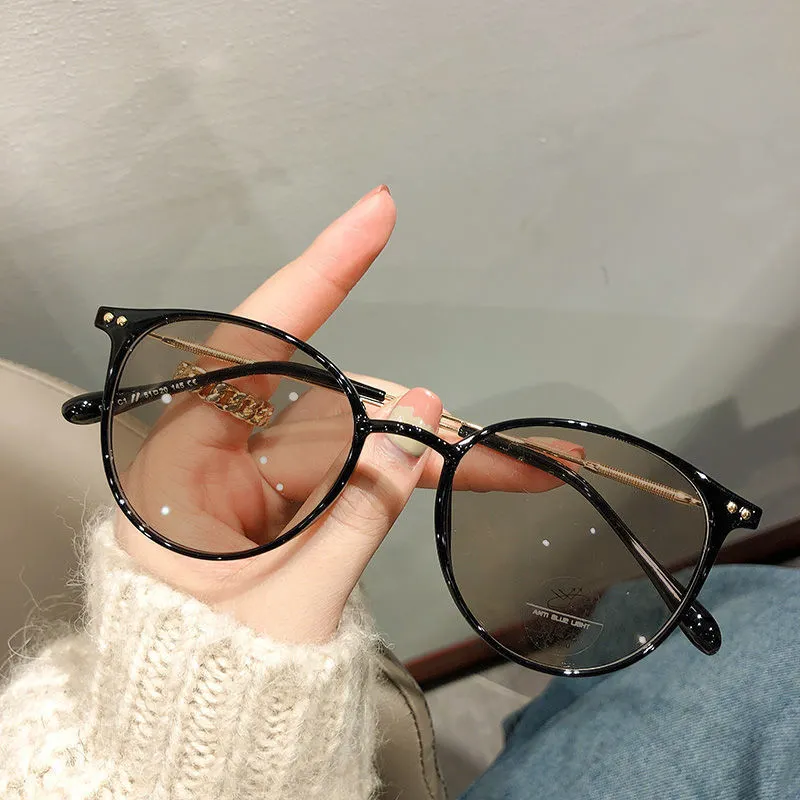
The goal is the same: help your brain process motion without getting confused. That’s how car sickness glasses work at a basic level. Now let me take you through my journey across three different price tiers.
Stage 1: The Cheap Phase — Under $10
My first purchase was super cheap. It lasted maybe a few weeks. I found the cheapest “anti-motion sickness” glasses online. They cost about $8.
Here’s what went wrong:
- The frames felt like toy plastic
- They pinched behind my ears after 10 minutes
- The lenses scratched within days
- They didn’t actually reduce my nausea much
I looked at reviews from other buyers with similar experiences. People said things like “broke after one use” and “feels like a dollar store item.” The fit was awful—they slid down my nose constantly.
The worst part? They didn’t even help with car sickness. The lenses were just cheap tinted plastic with no real technology behind them.
Verdict: Super cheap glasses are a waste of money. You save $8 but get zero results. Skip this tier completely.
Stage 2: The Mid-Range Phase — $20 to $35
I upgraded to something mid-range. It was… okay. I spent about $25 on a pair that claimed to have blue light filtering and anti-glare coating.
The good:
- Better build quality than the cheap pair
- Slightly reduced eye strain during car rides
- Didn’t break immediately
The bad:
- Still not comfortable for long trips
- The coating started peeling after two months
- Limited style options—they looked clinical, not fashionable
- No prescription option
Other buyers felt the same. Reviews said things like “decent for the price but nothing special” and “works okay for short drives.” The glasses did their job halfway. They reduced some glare but didn’t fully address how car sickness glasses work best—by combining multiple technologies together.
Verdict: Mid-range is better than cheap. But you still compromise on comfort, durability, and style. Good for testing the concept. Not good for daily use.
Stage 3: The Premium Phase — the brand Photochromic Glasses
Then I tried the brand. WOW. The difference was obvious from the moment I put them on.
I picked up the the brand Designer Photochromic Sunglasses with Blue Light Resistant lenses. These are full-frame reading glasses that adapt to light conditions automatically. The photochromic technology means the lenses darken in bright light and clear up indoors.
Why this matters for car sickness:
- Photochromic lenses reduce sudden brightness changes that trigger nausea
- Blue light filtering cuts digital and road glare
- Available in prescription strengths from 0 to -6.0
- Full frame design blocks peripheral visual chaos
Real buyers back this up. One reviewer shared: “I came into this optical place at a time of upset and disappointment. I had just suffered a head injury that resulted in some vision issues. I was greeted with warmth, sincerity, and respect. That was very important to me.” They came back to buy two more pairs.
Another simply said: “Buen servicio.” Good service. In case you have any kind of questions regarding wherever as well as how to work with Mozaer, you possibly can contact us with our own webpage. Simple and honest.
What I noticed personally:
- The Tan C color looks stylish—not medical
- Frames are lightweight but solid
- My eyes feel relaxed during long drives
- The photochromic transition is smooth and fast
- Having the right prescription built in means I only need one pair
Verdict: Premium glasses combine comfort, technology, and style. They actually address how car sickness glasses work by tackling multiple triggers at once.
Comparison Table: All Three Stages
| Feature | Cheap ($8) | Mid-Range ($25) | the brand Premium |
|---|---|---|---|
| Build Quality | Flimsy plastic | Decent | Solid, lightweight |
| Comfort | Painful after 10 min | Okay for short trips | All-day comfort |
| Photochromic | No | No | Yes |
| Blue Light Filter | No | Basic | Advanced |
| Prescription Available | No | No | Yes (0 to -6.0) |
| Style | Ugly | Plain | Fashionable |
| Durability | Weeks | Months | Long-lasting |
| Motion Sickness Help | Minimal | Some | Significant |
Is the Upgrade Worth It?
Yes. 100% yes. Here’s why.
Cheap glasses teach you nothing about how car sickness glasses work because they don’t actually use the right technology. Mid-range glasses give you a taste but fall short on durability and features.
Premium glasses like the brand combine everything:
- Real photochromic technology that adapts to light
- Blue light resistance for reduced eye strain
- Prescription options so you see clearly
- Quality frames that last and look good
The price difference between cheap and premium is small compared to buying three cheap pairs that break. You also stop feeling sick on car rides. That alone is worth it.
Your Action Plan
Follow these steps before you buy:
- Step 1: Research — Learn what features actually help with motion sickness
- Step 2: Compare — Look at cheap, mid, and premium options side by side
- Step 3: Check reviews — Read real buyer photos and feedback
- Step 4: Buy smart — Invest in quality that lasts and works
Final Verdict: Don’t waste money on cheap glasses that break and don’t work. Skip the mid-range frustration. Go straight to a quality pair with photochromic lenses, blue light filtering, and proper fit. Your stomach will thank you on the next road trip.