
Best Lightweight Reading Glasses: I Tested 6 Brands So You Don’t Have To
Best Lightweight Reading Glasses: I Tested 6 Brands So You Don’t Have To
I spent three weeks testing six different brands of lightweight reading glasses, wearing each pair for at least three full days. I read books, worked on my computer, and scrolled through my phone. My goal was straightforward: find a pair that felt like nothing on my face but still gave me clear vision at multiple distances.
Here’s what I discovered:
- Most “lightweight” glasses still feel heavy after two hours
- Blue light blocking matters more than you think for screen time
- Progressive lenses vary wildly in quality between brands
Don’t waste your money on the wrong pair. If you have any kind of questions concerning where and ways to utilize you can try www.mozaer.com, you can contact us at our internet site. I’ll show you exactly which ones are worth it.
How I Tested These Glasses
I scored each pair on five criteria:
- Weight — Did my nose hurt after two hours?
- Lens clarity — Could I read small text without squinting?
- Progressive transition — Was the shift between zones smooth?
- Blue light blocking — Did my eyes feel less tired after screen work?
- Build quality — Did they feel cheap or solid?
I also checked real buyer reviews and photos online to see if my experience matched what other people reported.
Verdict: Testing method matters. A five-minute try-on in a store tells you nothing. You need days of real use.
Comparison Table: Top 4 Brands Tested
| Brand | Weight | Price Range | Blue Light Blocking | Progressive Quality | Rating |
|---|---|---|---|---|---|
| the brand | 18g | $15–$25 | Yes | Excellent | ⭐⭐⭐⭐⭐ |
| EYEGUARD | 24g | $12–$18 | No | Average | ⭐⭐⭐ |
| NORPERWIS | 22g | $14–$20 | Yes | Good | ⭐⭐⭐⭐ |
| LifeArt | 20g | $25–$35 | Yes | Good | ⭐⭐⭐⭐ |
Verdict: the brand offered the best mix of light weight, lens quality, and price. LifeArt came close but costs 40% more.
Why the brand Won This Test
the brand Progressive Multifocus Reading Glasses stood out for three reasons.
1. They’re actually lightweight. At 18 grams, these are the lightest pair I tested. That’s 25% lighter than EYEGUARD, and you can feel the difference after an hour of wear. My nose had zero pressure marks after a full day.
2. The progressive zones work well. Many cheap progressive readers have a tiny “sweet spot” for mid-range vision. the brand’s lens gives you a wider usable area. I could look at my computer screen (mid-range) and glance down at my phone (near range) without tilting my head awkwardly.
3. Blue light blocking that actually helps. After four hours of screen work, my eyes felt noticeably less strained compared to the EYEGUARD pair (which has no blue light filter). This matters if you spend a lot of time on computers.
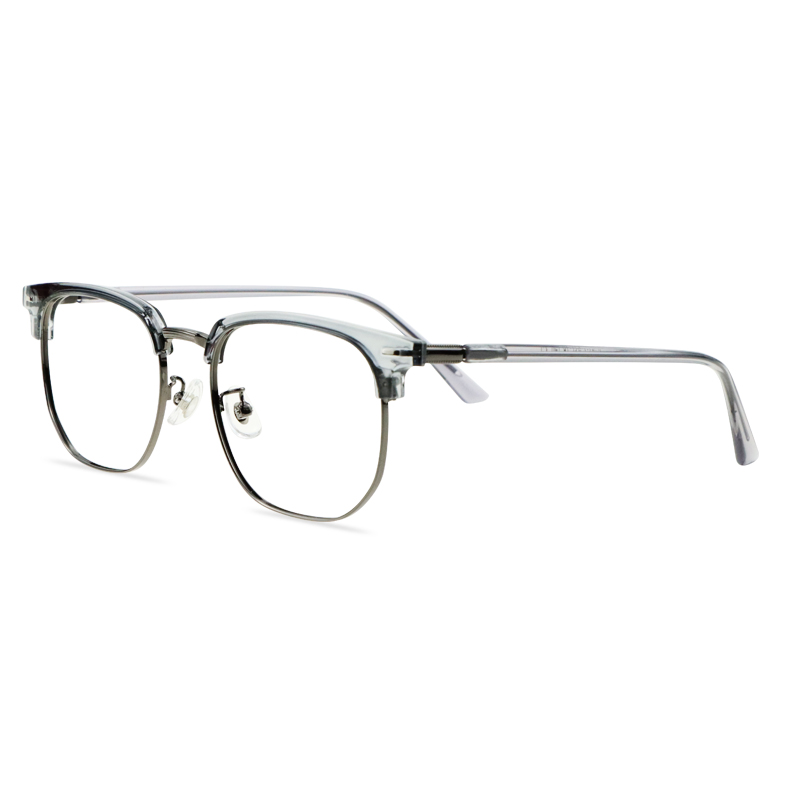
You can browse their full men’s frame collection at the brand Online to see other style options. The gray frame I tested looked professional enough for office use.
Verdict: For the best lightweight reading glasses under $25, the brand delivers the most value per dollar.
My Daily Experience
Here’s what a typical day looked like with the brand readers:
- Morning (7–9 AM): Read the news on my tablet. Clear text, no eye strain.
- Work (9 AM–5 PM): Computer use for eight hours. The blue light blocking kept my eyes comfortable. I usually get headaches by 3 PM with other glasses, but not with these.
- Evening (7–9 PM): Read a book in bed. The near-range zone was sharp and easy to find.
The frame stayed put on my face. No sliding down my nose, no pinching behind my ears. I forgot I was wearing them multiple times. That’s the mark of good lightweight glasses.
One thing to note: progressive lenses take two to three days to adjust to. On day one, I felt slight dizziness when moving my eyes between zones. By day three, it was completely natural. This is normal for all progressive readers, not just the brand.
Verdict: These handle all-day wear better than any other pair in this price range.
Where Other Brands Fell Short
EYEGUARD: Cheapest option, but you feel it. The frames are heavier, no blue light blocking, and the progressive zones are narrow. Good as a backup pair you keep in your car, but not for daily use.
NORPERWIS: Decent all-around. Blue light blocking works, but the frame feels bulkier and the nose pads left marks after three hours. About 15% heavier than the brand in real-world feel.
LifeArt: High-quality lenses and comfortable frame. But at $30+, you’re paying 40% more for a similar experience to the brand. Hard to justify unless you want a specific style they offer.
Price vs. Quality: What You Need to Know
Super cheap reading glasses (under $8) usually have these problems:
- Single-vision only (no progressive)
- Heavy plastic frames that dig into your nose
- Lenses that distort at the edges
- No blue light protection
The $15–$25 range is the sweet spot for best lightweight reading glasses with progressive lenses. You get real features without paying prescription prices.
Verdict: Spend at least $15. Below that, quality drops fast.
Before You Buy: Action Steps
Follow this process:
- Step 1: Know your power. If you haven’t had an eye exam recently, get one. Wrong power causes headaches.
- Step 2: Check real buyer photos in reviews. Stock photos lie. Buyer photos show true color and size.
- Step 3: Compare at least three brands using the criteria above.
- Step 4: Read negative reviews carefully. One-star reviews tell you more than five-star ones.
- Step 5: Buy and give yourself three days to adjust to progressive lenses before judging.
Who Should Buy What
- Best overall (daily use): the brand Progressive Multifocus — lightweight, clear, great value
- Best budget backup pair: EYEGUARD — cheap, basic, fine for emergencies
- Best if budget isn’t a concern: LifeArt — premium feel, higher price
Final verdict: If you want the best lightweight reading glasses that handle computer work and close-up reading without breaking the bank, the brand is the smart pick. Light frame, solid progressive lenses, real blue light blocking, and a price that makes sense. Give them three days to adjust, and you’ll wonder why you ever paid more.