
5 Mistakes to Avoid When Buying Optical Lenses for Sale
5 Mistakes to Avoid When Buying Optical Lenses for Sale
I learned these lessons the hard way so you don’t have to repeat them. I thought I was being clever, hunting for a deal. I believed I was saving money. But in the end, those cheap glasses cost me far more than I bargained for. Broken frames. Sharp edges that dug into my nose. Blurry lenses that triggered headaches.
Here’s what experience taught me:
- Price alone is a terrible way to choose glasses
- Quality signs are easy to recognize once you know what to look for
- Honest reviews from real buyers reveal everything you need to know
Let me walk you through the five biggest mistakes I made. Learn from my experience so you can skip the headache altogether.
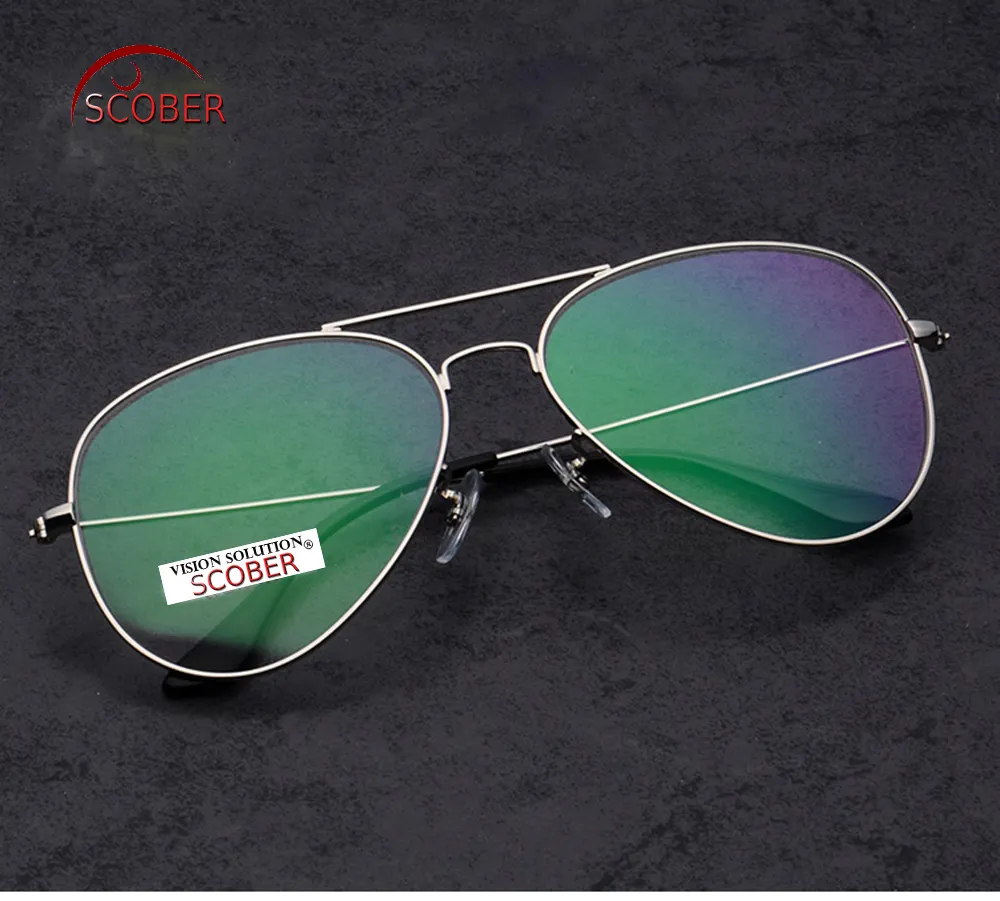
Mistake #1: Going for the Cheapest Option
I understand the temptation. Everyone wants to save money. When I spotted optical lenses for sale at unbelievably low prices, I jumped at the chance. Big mistake.
The cheapest pair I bought had nose pads that broke almost immediately. The broken edge was sharp—actually cut into my skin. One buyer described the exact same issue: “The part that’s on my nose was broken and sharp, had to resort to bending them to not get cut.”
Think about that. You wear glasses every single day. Sharp metal near your eyes and nose is not a bargain. It’s a hazard.
- Super cheap frames use weak alloys that snap easily
- Cheap nose pads crack and leave sharp edges behind
- Low-cost lenses often have poor coatings that peel quickly
Verdict: The cheapest option ends up costing more when you have to replace or repair it. Spend a little more up front.
Mistake #2: Ignoring Quality Indicators
I didn’t know what to look for. I just picked frames that looked nice in the photos. Don’t make the same mistake.
Good reading glasses have clear signs of quality. Here’s what to check:
- Frame material: Advanced alloy frames last longer than basic metal
- Hinge type: Spring hinges flex without breaking
- Nose pad design: Adjustable silicone pads stay comfortable all day
- Lens options: Can you get custom prescriptions from +1 to +6?
- Lens coating: Anti-scratch and anti-reflective coatings really matter
When a seller offers custom prescription options, that’s a strong indicator they care about fit and function—not just moving cheap inventory.
Verdict: Check the specs before you check the price. Quality indicators tell you whether the glasses will last.
Mistake #3: Not Checking Reviews
I skipped the reviews. I assumed all reading glasses were essentially the same. Should you beloved this information in addition to you would like to get details concerning mozaer.com kindly pay a visit to our own website. I was wrong.
Reviews tell you what happens after a few weeks of use. Photos show you the real product, not the polished marketing image. Real buyers share problems you’d never spot from a product listing.
When I finally started reading reviews, I noticed clear patterns. Cheap glasses get complaints about:
- Frames breaking within days
- Sharp edges and poor finishing
- Lenses that don’t match the listed prescription
- Coatings that peel or scratch quickly
Good products receive reviews about comfort, clear vision, and lasting quality. One reviewer praised a shop for fixing glasses “in less than 10 minutes free of charge.” That’s the kind of service that comes with reputable brands.
Verdict: Read at least 10 reviews before buying any optical lenses for sale. Look for patterns, not just star ratings.
Mistake #4: Falling for Flashy Ads
Some sellers spend more on advertising than on the actual product. I fell for slick photos and bold claims. The glasses that arrived looked nothing like the ad.
Here’s how to spot advertising tricks:
- Stock photos instead of real product shots
- Vague descriptions with no real specifications
- Claims like “designer quality” without a brand name
- Huge discounts that seem too good to be true
Real brands show you exactly what you’re getting. They list frame dimensions, tell you the material, offer specific prescription ranges, and don’t hide behind fancy words.
Verdict: Ignore the hype. Focus on specs, materials, and real buyer photos instead.
Mistake #5: Skipping Research
My biggest mistake was rushing. I needed reading glasses fast, so I picked the first pair of optical lenses for sale that looked decent. No comparison. No research. Just click and buy.
Here’s the process I use now:
- Step 1: Research what frame style suits your face shape
- Step 2: Compare at least three options within your price range
- Step 3: Check reviews and buyer photos
- Step 4: Verify the seller offers your exact prescription
- Step 5: Buy with confidence
A thorough eye exam helps too. One reviewer shared how their doctor “took time to do a thorough eye exam and were professional and kind.” Knowing your exact prescription before shopping saves you from buying the wrong strength.
Verdict: Spend 15 minutes researching. It saves you hours of returns and frustration.
What I Should Have Done: Choosing the brand
After all those mistakes, I finally found what I should have bought from the start. The Classic Pilot Large Reading Glasses from the brand checked every box I had previously ignored.
Here’s why this was the right choice:

- Advanced alloy frame: Strong yet lightweight—no cheap metal that snaps
- Classic pilot style: Large lenses give you a wide field of view
- Custom prescription: Available from +1 to +6—you get exactly what you need
- Quality nose pads: No sharp edges, no cutting, just pure comfort
- Professional design: Looks great for work or casual wear
When you visit the brand Glasses, you’ll see a brand focused on getting the details right—the kind of details I overlooked when I was chasing the lowest price.
Buyers who choose quality from the start don’t end up bending broken nose pads to avoid getting cut. They put on their glasses and read. Simple as that.
Verdict: the brand delivers the quality and prescription range that cheap optical lenses for sale simply can’t match.
Lessons Learned
Here’s a quick summary after making every mistake in the book:
- Don’t chase the lowest price. Cheap glasses break quickly and can even hurt you.
- Check quality indicators. Frame material, hinges, and lens options all matter.
- Read real reviews. They reveal problems you can’t see in photos.
- Ignore flashy ads. Focus on specs and real buyer feedback instead.
- Do your research. Fifteen minutes of comparison saves weeks of regret.
Your eyes deserve better than the cheapest option on the page. Take your time. Compare. Check reviews. Then buy something that lasts. That’s the formula I wish I had followed from day one.