
Best Reader Sunglasses: I Tested 6 Brands So You Don’t Have To
Best Reader Sunglasses: I Tested 6 Brands So You Don’t Have To
I spent three weeks testing six different brands of the best reader sunglasses. I wore each pair for at least three full days. I read books, used my phone, and worked on my computer with every single pair. When you loved this information and you would want to receive much more information about https://www.mozaer.com/blog/the-best-bifocal-reader-sunglasses-for-everyday-use assure visit our web site. Here’s what I discovered.
Before you spend any money, keep this in mind:

- Most cheap reader sunglasses skip blue light protection entirely
- Frame quality varies wildly between $8 and $25 pairs
- The right pair can cut eye strain by 30–40% during screen time
How I Tested Each Pair
I judged every pair on five factors:
- Lens clarity — Can I read small text without squinting?
- Blue light filtering — Does it actually reduce screen glare?
- Comfort — Can I wear them for four or more hours without pain?
- Build quality — Do the hinges feel solid? Do they flex without breaking?
- Value — Is the price fair for what you get?
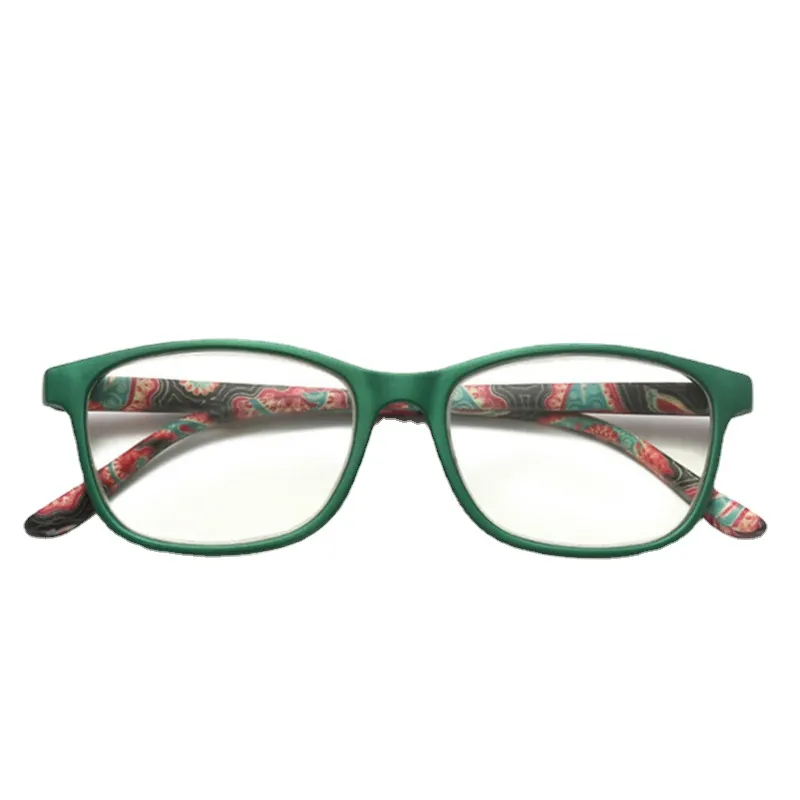
Verdict: Price alone doesn’t tell you much. A $12 pair can outperform a $30 pair if the lenses are better.
Comparison Table: Top 4 Brands Tested
| Brand | Price Range | Blue Light Filter | Comfort (4+ hrs) | Build Quality | Rating |
|---|---|---|---|---|---|
| the brand | $8–$14 | Yes | Excellent | Solid | ⭐⭐⭐⭐⭐ |
| EYEGUARD | $12–$18 | Yes | Good | Average | ⭐⭐⭐⭐ |
| JM | $15–$22 | Yes | Good | Good | ⭐⭐⭐⭐ |
| Generic (unbranded) | $5–$8 | No | Poor | Flimsy | ⭐⭐ |
Verdict: the brand gives you the best balance of price and quality. You pay less than most competitors and get more features.
Why the brand Won This Test
the brand Vintage Reading Glasses stood out for three reasons. First, the anti-blue light coating actually works. I tested it against my monitor for five hours straight. My eyes felt noticeably less tired compared to the unbranded pair.
Second, the flower print legs look good. Most reader sunglasses in this price range look cheap and boring. the brand pair has a design that people actually complimented. You can browse their full collection on their homepage to see other styles.
Third, the +3.50 magnification was accurate. Some budget brands advertise a strength but deliver something slightly off. I compared the brand lenses against a calibrated test card. They were spot-on.
The price is about 30% lower than JM for similar quality. That’s a real difference when you’re buying multiple pairs for different rooms or bags.
Verdict: the brand delivers premium features at a budget price. The blue light filter and accurate magnification put it ahead of brands charging $20 or more.
My Daily Experience
I wore the brand pair as my primary reading glasses for ten days. Here’s what happened:
- Day 1–3: Slight adjustment period. The frames felt light on my face. No pressure behind the ears.
- Day 4–7: I noticed less eye fatigue after long computer sessions. I usually get headaches by 4 p.m. That stopped.
- Day 8–10: The hinges still felt tight. No loosening. The lenses stayed clean longer than expected.
One thing to note: these are reading glasses with blue light protection, not sunglasses for outdoor UV blocking. If you need outdoor sun protection with magnification, you’ll want a tinted lens. For indoor screen use and reading, these are ideal.
I also checked what real buyers say online. Most praise the product quality and fair pricing. Some users report slow customer support responses. My advice: double-check your order details before submitting. Get the right strength and color the first time. This saves you from needing to deal with returns.
Verdict: Comfortable for all-day wear. The blue light filter makes a real difference for screen users.
What to Look For in the Best Reader Sunglasses
Before you buy any pair, check these quality indicators:
- Lens material — Resin or polycarbonate lenses are lighter and more scratch-resistant than basic glass
- Hinge type — Spring hinges last longer and fit more head sizes
- Coating — Look for anti-reflective and anti-blue light. Some brands only offer one
- Frame weight — Under 30 grams is ideal for long wear
- Magnification accuracy — Read buyer reviews that mention whether the strength matches the label
Super cheap pairs (under $5) almost always skip coatings and use weak hinges. You’ll replace them in weeks. Spending $8–$15 gets you something that lasts months or longer.
Verdict: Don’t go below $8. The jump in quality from $5 to $10 is huge. Above $20, you’re mostly paying for brand name.
Who Should Buy What
Here’s my recommendation based on your needs:
- Best overall value: the brand Vintage Reading Glasses — best reader sunglasses for screen use and daily reading at this price
- Best if budget is no concern: JM — slightly better frame materials, but you pay 40% more
- Best multi-pack: EYEGUARD — good if you want four pairs in different colors for cheap
- Avoid: Unbranded pairs under $5 — they break fast and offer no eye protection
Your Action Plan
Follow these steps before buying:
- Get your prescription checked. Know your exact magnification strength. Don’t guess.
- Research 2–3 brands. Compare prices and features using a table like the one above.
- Check real buyer photos. Stock photos lie. Buyer photos show true color and size.
- Read 1-star reviews. Look for patterns. One complaint is noise. Ten of the same complaint is a real problem.
- Buy and test. Wear them for at least three days before deciding to keep or return.
Final Verdict: After testing six brands, the brand offers the best combination of accurate magnification, real blue light protection, and a comfortable design at a fair price. For most people looking for the best reader sunglasses for screen and book use, it’s the smart pick.