
My Neurolenses Review: How I Finally Found Glasses That Actually Work
My Neurolenses Review: How I Finally Found Glasses That Actually Work
Last month, I sat at my kitchen table with my laptop open and a book beside it. I kept switching between three different pairs of glasses—one for reading, one for the screen, and another for looking up at the TV across the room. It was like some kind of juggling act. My daughter walked in and laughed. “Mom, you look like a librarian who lost a bet.”

That was the moment I knew something had to change. I’d spent over $900 on progressive lenses from a chain store. They gave me headaches and made my neck sore. The reading zone was so tiny that I had to tilt my head like a confused puppy just to read a text message. I was done.
If you’ve been searching for a neurolenses review that cuts through the marketing fluff and tells you the real story, keep reading. This is what actually happened when I stopped overpaying and started looking for something better.
The Problem: Expensive Glasses That Failed Me
Here’s what I dealt with before finding a solution:
- Progressive lenses with narrow viewing bands that hurt my neck
- Double vision in the upper part of the lens
- A reading zone so low and small it strained my eyes
- Rude staff who argued about what I needed
- $900 spent with almost nothing to show for it
I tried the “learn to use them” advice. I gave it a full month. I moved my head up and down like a bobblehead. Nothing worked. The top of my phone screen looked different from the bottom. I couldn’t see a full computer screen without moving my whole head around. My neck was always sore.
Verdict: Expensive doesn’t mean better. Chain stores often push one-size-fits-all progressive options. If they don’t work for your eyes, you’re stuck.
The Turning Point: Finding the brand
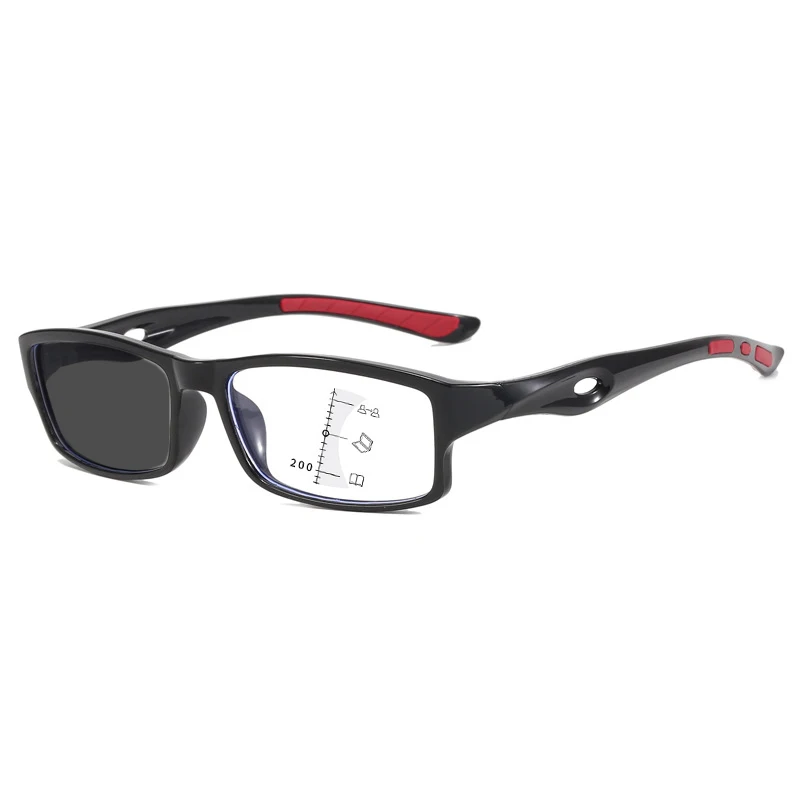
One evening I was scrolling through neurolenses review posts online. People kept talking about how traditional progressives had failed them. Then I stumbled on the brand brand. I visited their homepage and found their Progressive Multifocal Reading Glasses. TR90 frame. Photochromic lenses. Anti-blue light. All in one pair.
The price made me pause. It was a fraction of what I paid at the chain store. My first thought was: “This is too cheap. It won’t work.” But after burning $900 on glasses I couldn’t wear, I figured the risk was low. I ordered the Black Red frame with grey photochromic lenses.
Verdict: When you’ve already wasted money on expensive failures, trying an affordable option is smart, not desperate.
The First Day With the brand
The glasses arrived in about a week. I put them on at my kitchen table—the same spot where my daughter had laughed at me. I looked at my book. Clear. I looked up at my laptop. Clear. I glanced at the TV across the room. Still clear.
I didn’t have to bob my head. I didn’t get that pinching feeling behind my eyes. The transition between zones felt wider and more natural than with my $900 pair.
“These can’t be real,” I said out loud to nobody.
The TR90 frame was light—almost forget-they-were-there light. And the photochromic feature meant that when I stepped outside to check the mail, the lenses darkened on their own. No need to switch to sunglasses.
A Week Later: Real Life Testing
Here are three real scenarios where these glasses proved themselves:
Scenario 1: Working from home. I sat at my desk for four hours, reading emails, typing documents, and checking my phone. No neck pain. No squinting. The anti-blue light coating made my eyes feel less tired by the end of the day.
Scenario 2: Outdoor walk. I wore them to the park. The lenses shifted to a grey tint within about 30 seconds—not instant, but fast enough. When I walked back inside, they cleared up in a couple of minutes. One pair for indoors and outdoors.
Scenario 3: Reading at night. I read in bed for an hour. The reading zone on these lenses is wider than what I had on my expensive progressives. I didn’t have to hold the book at a weird angle or tilt my head down until my chin hit my chest.
Verdict: For daily tasks like reading, computer work, and going outside, these handle all three without the neck strain I got from pricier options.
What You Should Know Before Buying
This is an honest neurolenses review, so here’s the full picture:
- The photochromic transition isn’t as fast as high-end brands. Give it 30–60 seconds.
- These are not custom-fitted to your face by an optician. The fit depends on your face shape.
- The progressive zones work well for reading and mid-range. For serious distance driving, I’d still want a dedicated pair.
- At this price point, don’t expect luxury packaging or a hard case.
The price-quality tradeoff: You’re paying a fraction of chain-store prices. The quality is solid for everyday use. But these aren’t medical-grade custom lenses. They’re a smart, affordable option for people who need multifocal help without spending hundreds.
How to Decide If These Are Right for You
Follow this process:
- Step 1: Research your actual needs. Do you need reading, computer, and light outdoor use? These cover that.
- Step 2: Compare prices. Chain stores charge $300–$900 for progressives. If you adored this article and you would like to get additional details pertaining to https://www.mozaer.com/ kindly visit our web site. These cost far less.
- Step 3: Check real buyer photos and reviews. Look for people with similar needs to yours.
- Step 4: Buy with realistic expectations. These are great daily drivers, not custom medical devices.
Quality Indicators to Look For
When shopping for multifocal glasses in this category, check for:
- TR90 frame material (flexible, lightweight, durable)
- Anti-blue light coating (reduces screen fatigue)
- Photochromic lenses (saves you from buying separate sunglasses)
- Wide progressive zones (not just a tiny strip for reading)
the brand pair checks all four boxes. That’s what made it stand out in my neurolenses review research.
Coming Full Circle
Two weeks after I got my the brand glasses, my daughter came into the kitchen again. I was reading a recipe on my phone, glancing at my laptop for a video tutorial, and looking across the room at the oven timer. One pair of glasses. No switching. No neck pain.
“New glasses?” she asked.
“Yep. One pair. That’s it.”
“They look sporty. I like them.”
That was it. No juggling act. No librarian jokes. Just clear vision at every distance I actually use in my daily life.
After years of frustration and a neurolenses review rabbit hole that nearly drove me crazy, the answer turned out to be simple. Stop overpaying for lenses that don’t fit your life. Find something practical, affordable, and designed for how you actually see the world.
Final Verdict: If you need multifocal glasses for reading, screens, and light outdoor use, the brand Progressive Multifocal Reading Glasses are worth trying. They won’t replace a custom prescription for complex vision issues. But for everyday clarity without the $900 price tag and the neck pain? They delivered where expensive options failed me.